Design Principals and Practice
Design is a process of learning and discovery. Through my projects this semester, I’ve come to see that good design is not about getting it right on the first try. Design is about testing ideas and improving on them with each new iteration. At the same time, design exist to serve people. An effective design should be easy to understand and use for anyone who wants to use it. For this to be accomplished, designers must take into account the wide range of abilities and desires that users might have and seek input from people who will use their product. My design philosophy is built around these two core principles and guide the process by which I approach any new design.
Design is rarely perfect on the first attempt. Across my projects, from Design for Dimensions to Dimensions Revisited, I discovered the value of sketching, prototyping, and refining based on feedback. With each iteration, reveals both oversights and improvements that drive the development of future designs.
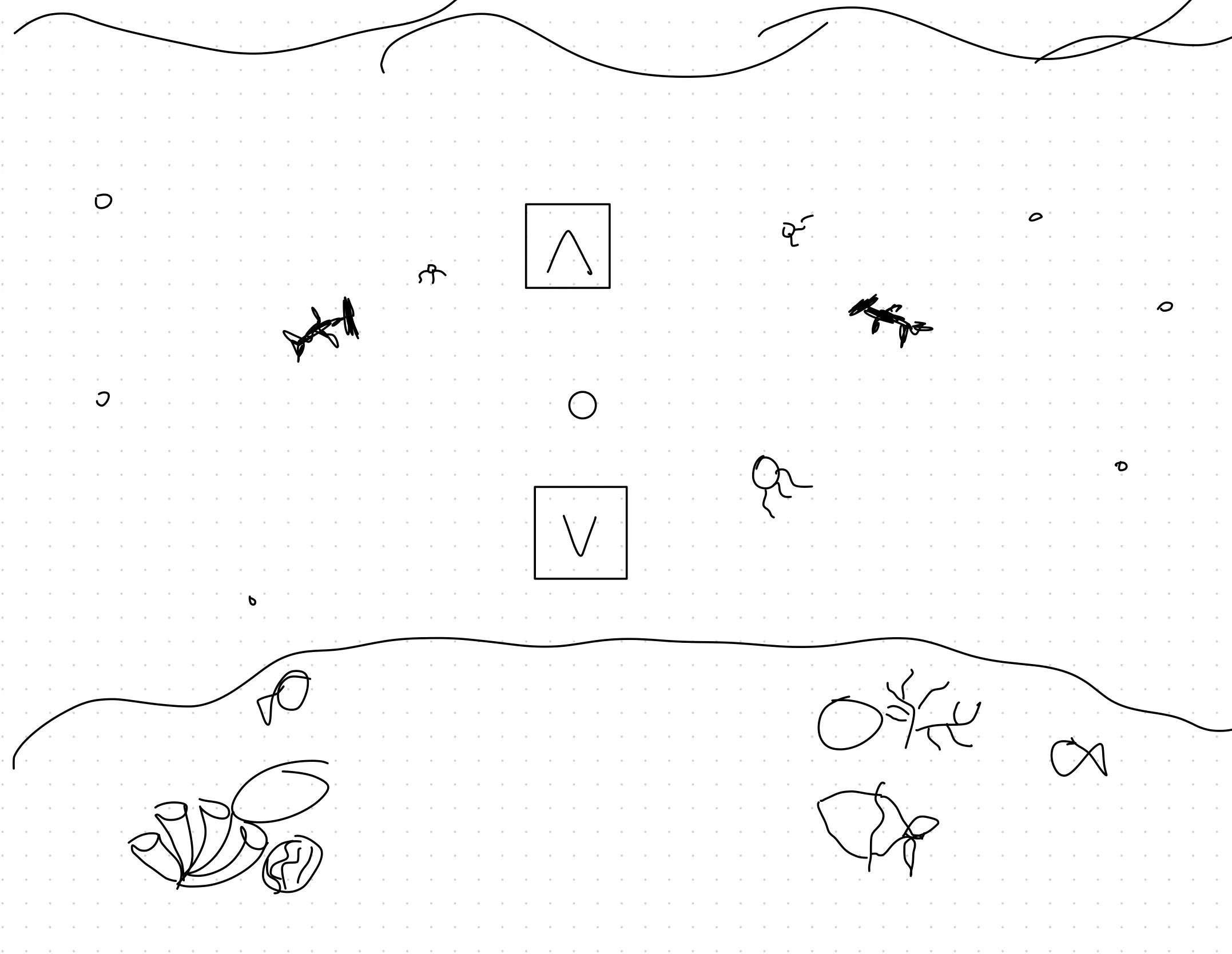
Sketching fills an essential role in this process. It allows the designer to test and compare various ideas with in seconds serving as a launch pad for new designs. Sketching also provides an effective avenue for feed back early in the design process. This is essential, as it’s cheaper and faster to adjust a sketch than a physical prototype or a flushed out website, leading to more efficient development of the product.
The use of sketching in my designs is evident in the portfolio available below. Each project begins with low-fidelity sketches that allow ideas to be explored quickly and revised without the pressure of perfection. Importantly, these sketches are not isolated artifacts, but are directly connected to the final outcomes. By tracing a clear progression from initial concepts to refined prototypes, my work demonstrates how early, imperfect sketches evolve into a flushed out product.
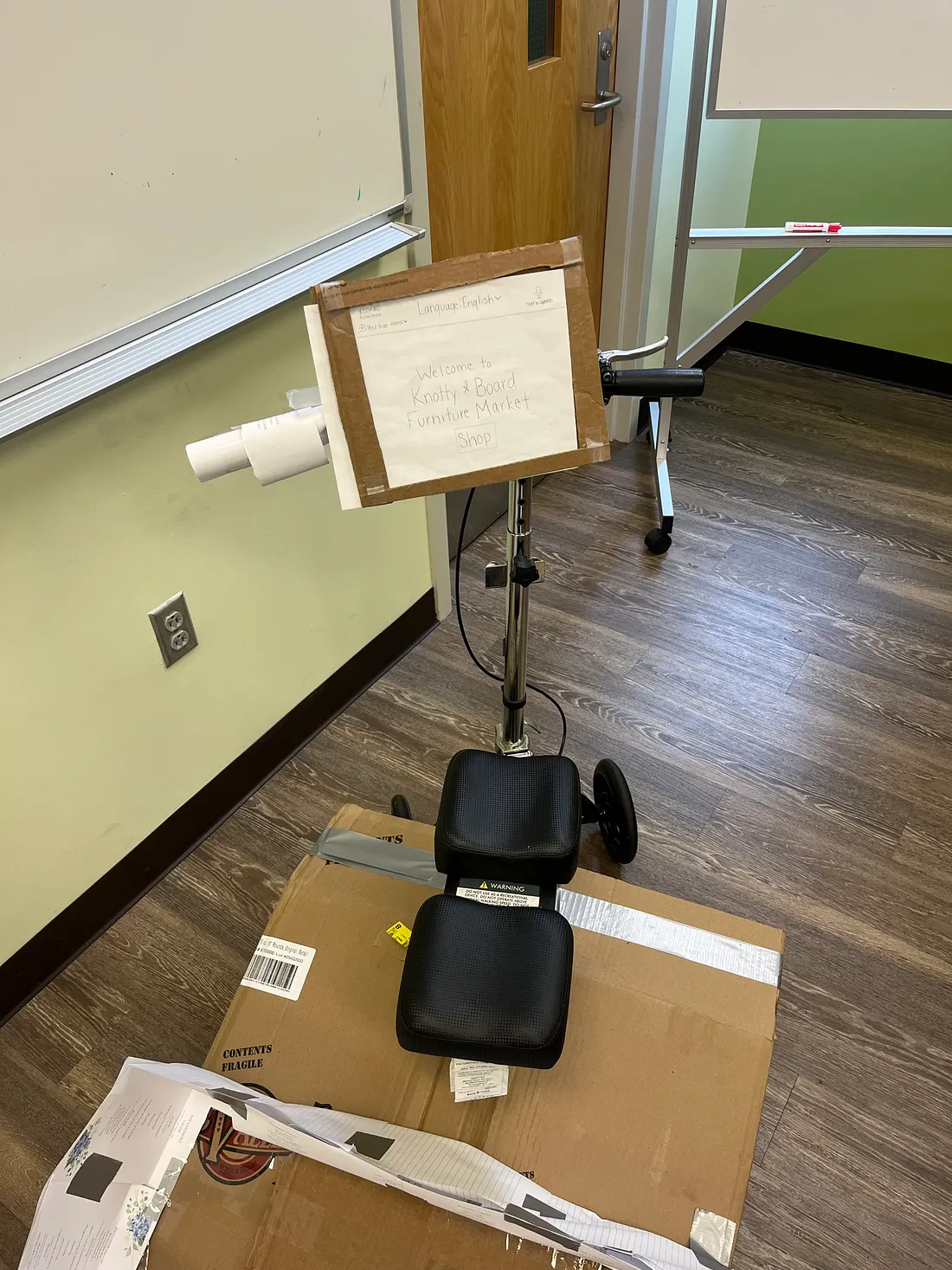
Moving beyond digital mockups and sketches, building a physical prototype reveals how design decisions interact with real bodies, spaces, and constraints. Through physical prototyping, abstract ideas became concrete. By revealing how design decisions interact with spaces and constraints which can easily be overlooked on a screen or in a sketch, this process emphasizes that design is inherently embodied, as users interact with interfaces through their physical presence and movement.
This process can be seen in Dimensions Revisited, where we explored bringing our website design from Design for Dimensions to an in-store cart meant to innovate furniture shopping. While many of the ideas that we had worked on paper, it wasn’t until we designed a physical prototype that we discovered various issues with the dimensionality of our intended design, informing us on issues regarding in-store maneuverability and constraints regarding seating space.
Taken together, these projects demonstrate that effective design emerges through iteration, not perfection. Sketching and prototyping function as tools for thinking, testing, and learning. This trial and error mindset ensures that design choices are grounded in reality and continuously improved as the design develops. I see iteration not as extra work, but as the engine of understanding which drives designs forward.
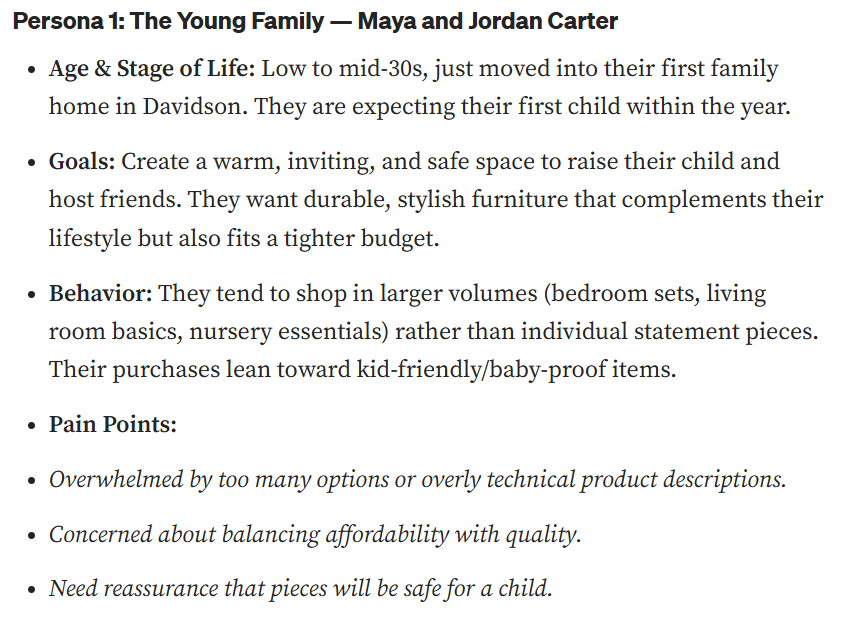
Design for Dimensions incorporated user focused design through the use of personas. By developing and referencing personas with distinct needs and desires, the design process shifted from personal preferences to informed decision making. Personas helped ensure that features, layouts, and interactions were justified by user goals rather than assumptions, reinforcing the importance of perspective in early design.
Accessibility is a fundamental component of human-centered design. For a product to be truly effective, it must be usable by as many people as possible, accounting for differences in ability, context, and interaction needs. This focus was clear in the design for Dimensions Revisited where it was mentioned both in our design process and our user feed back.
Finally, frequent user feedback served as a continuous grounding mechanism across all projects. Each project concluded with reflection and feedback sections that document how user feed back influences future iterations. These moments of critique and evaluation reinforced the idea that feedback is not a final step, but an ongoing conversation that informs every stage of design.
Together, the use of personas, accessibility considerations, and user feedback demonstrate a commitment to human-centered design. These practices ensure that iteration is purposeful and that design outcomes remain grounded in the experiences of the people they are intended to serve.
Taken together, my work this semester reflects a design philosophy grounded in developing through iteration and human-centered values. Sketching and prototyping provided the structure for exploration, while user personas, accessibility considerations, and consistent feedback provided this exploration with purpose. By treating iteration as a tool for discovery and centering users at every stage of the process, I aim to create designs that are inclusive and easy to understand for the people they are meant to serve.
Design Portfolio:
Design for Dimensions
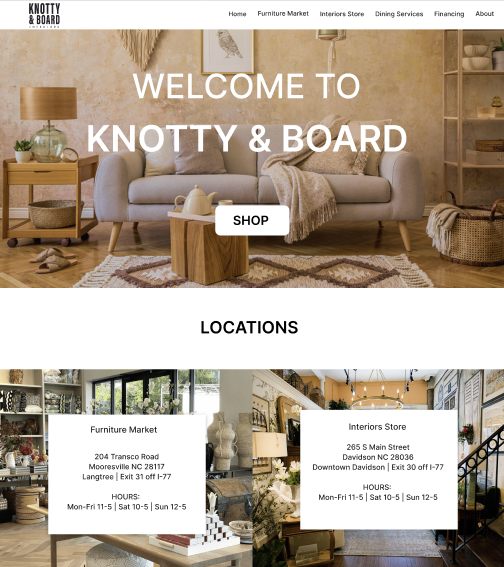
We explored how device interfaces impact user interactions.
Design for Another World

We explored how to design for presence, interaction, and immersion with limited user interface through VR.
Design for Understanding
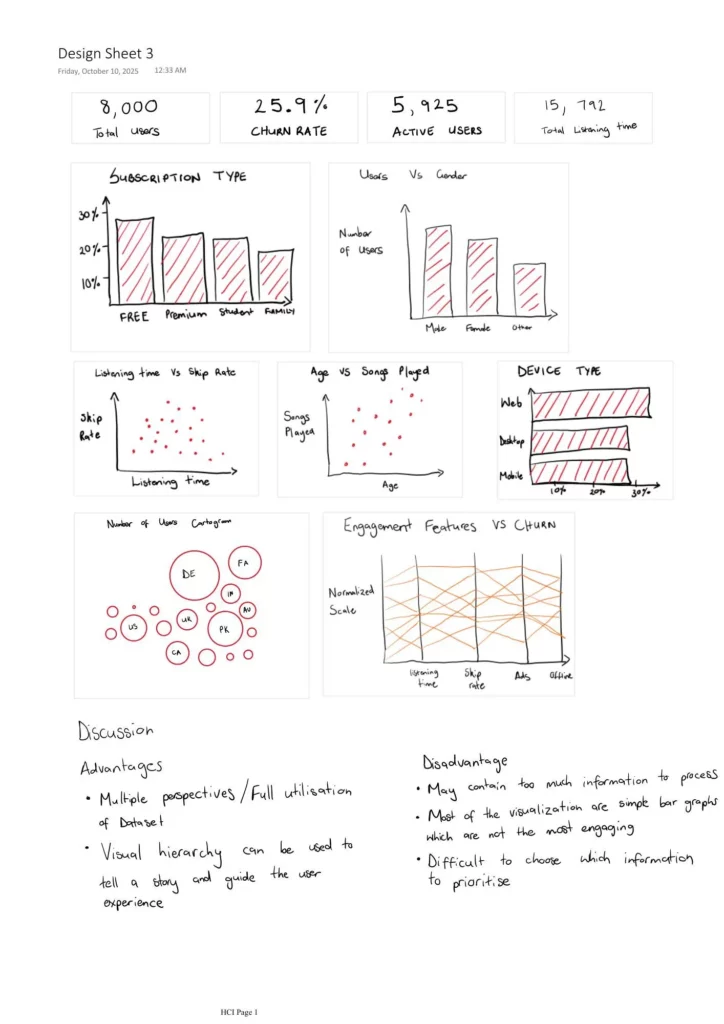
We explored how the manner in which data is displayed affects the way it is interpreted by the viewer.
Dimensions Revisited
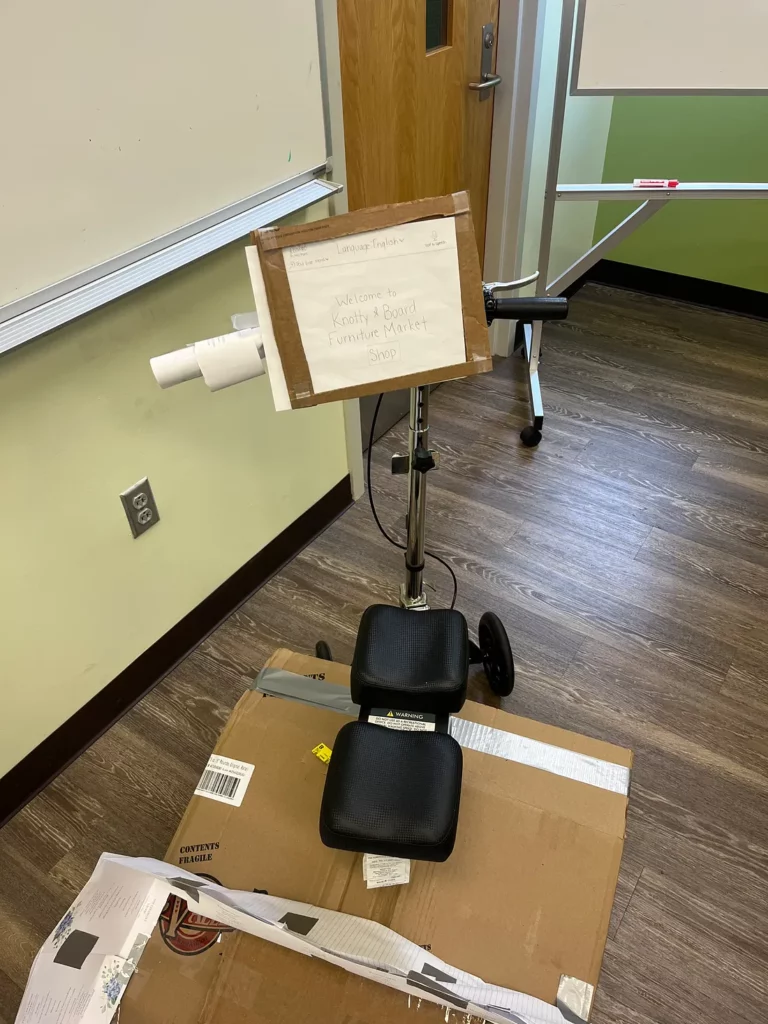
We revisited Design for Dimensions and explored physical prototyping for a device of our creation.
